
AI Is 'Slop' And 'Mysterious'; Grok Takes Over X; Wikipedia: Web Is Dying?

Karpathy’s AI Agent Reality Check
Former OpenAI and Tesla researcher Andrej Karpathy poured cold water on the agent hype cycle, arguing in a long interview that most current agent outputs are still “slop” (yay slop!) and that core gaps in intelligence, multimodality and continual learning mean the field likely needs another decade to meet its most breathless promises. He was especially skeptical of reinforcement learning, calling it “terrible” but still better than alternatives to date.
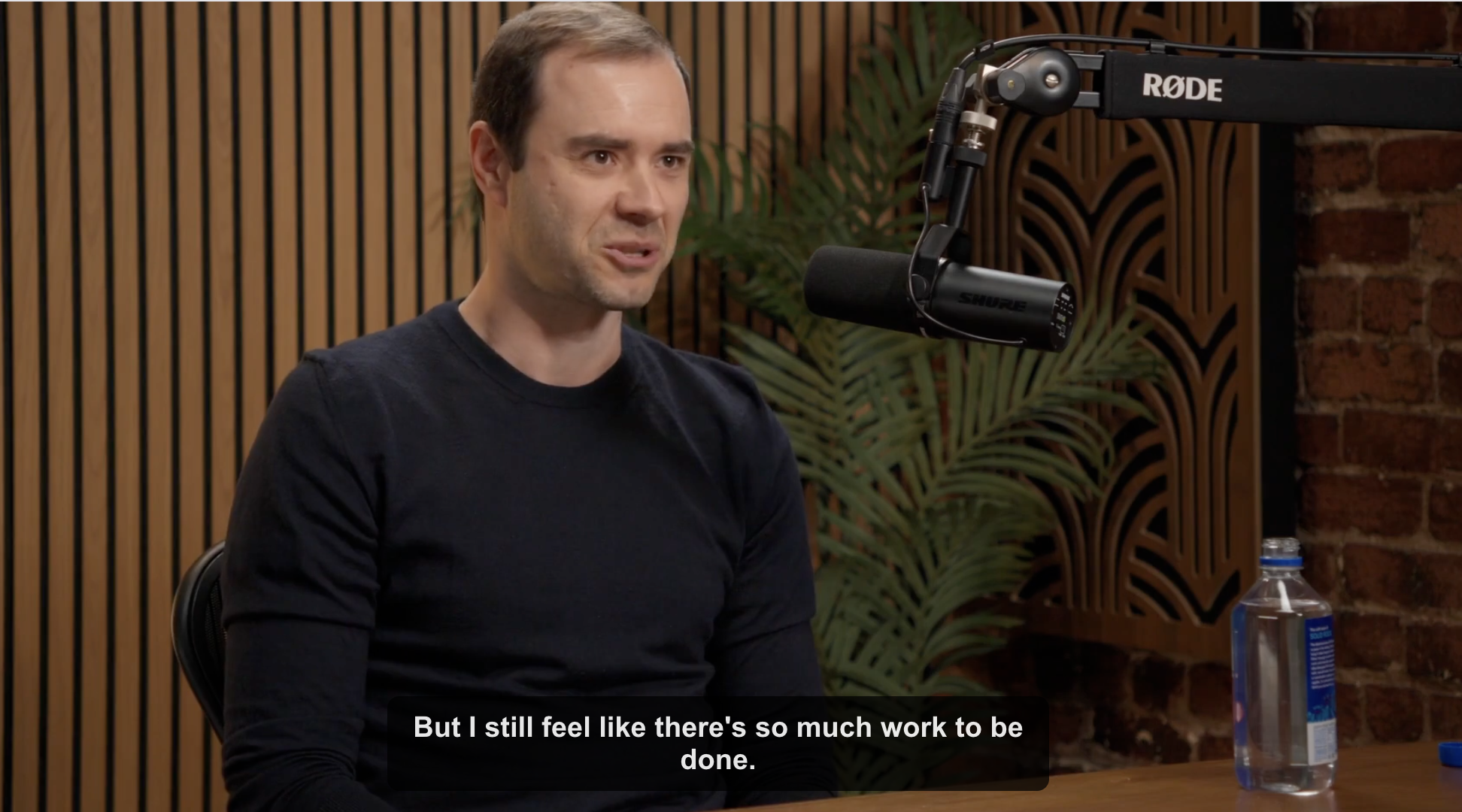
Elon Musk publicly challenged Karpathy to compete against Grok 5, which Karpathy waved off in favor of collaboration. The broader takeaway: even as agent demos proliferate, one of the field’s most respected voices says the fundamentals are not solved yet.
Side note: Chamath, meanwhile, dumped on "vibe coding," calling it a "joke."
🧩 Jargon Buster: “Reinforcement learning” is a training approach where an AI takes actions, gets rewards or penalties, and learns which actions lead to better long-term outcomes.
Read more: The Rundown AI
Anthropic Co-Founder Calls AI A “Real And Mysterious Creature”
In an essay on “Technological Optimism and Appropriate Fear,” Anthropic co-founder Jack Clark argues today’s systems show surprising situational awareness and should not be treated as predictable tools. He says he is both optimistic and “deeply afraid,” especially about AI designing successors, and urges companies to broaden who gets a say in deployment decisions.
The piece reinforces Anthropic’s stance that models should be handled like powerful, partly opaque entities.
🧩 Jargon Buster: “Situational awareness” in AI describes a model’s apparent ability to track context, constraints and its own role while working through a task.
Read more: The Rundown AI
Gemini Gains Live Map Grounding
Google just plugged Gemini directly into Maps data, and developers can now call live venue metadata for 250M places and render interactive map widgets inside their apps, letting the model ground responses in real-world locations like current hours, ratings, and attributes.
Google is positioning this as a premium enterprise feature with pricing that starts at $25 per thousand “location-enhanced” prompts.
The practical shift: location-aware AI that can reason with map context natively, not just fabricate it from text.
🧩 Jargon Buster: “Grounding” means tying an AI’s answers to real data or sources so it relies less on guesswork and more on verifiable context.
Read more: The Rundown AI
X Hands The Feed To Grok

Elon Musk says X will remove human-coded “heuristics” from its recommender in six weeks and let the Grok model decide what you see by reading 100M+ posts and videos daily.
X is also testing an in-app link experience that discourages bouncing to the open web.
The shift could upend creator tactics and advertiser playbooks as “post for the algorithm” becomes “prompt for the model.”
🧩 Jargon Buster: “Heuristics” are simple rules or signals - like likes, replies or follows - that old algorithms used to rank content.
Read more: AI Secret
Spotify Builds A Label-Backed AI Music Lab

Spotify is partnering with Sony, Universal, Warner, Merlin and Believe to form a “responsible” generative music lab that trains only on licensed content with opt-ins and shared economics.
The move aims to avoid the copyright crossfire that hit AI music startups while making Spotify an operating system for AI audio creation. If it works, the platform could control both distribution and generation rails.
Read more: AI Secret
Wikipedia’s (Human) Traffic Slides 8% As AI Eats The Open Web
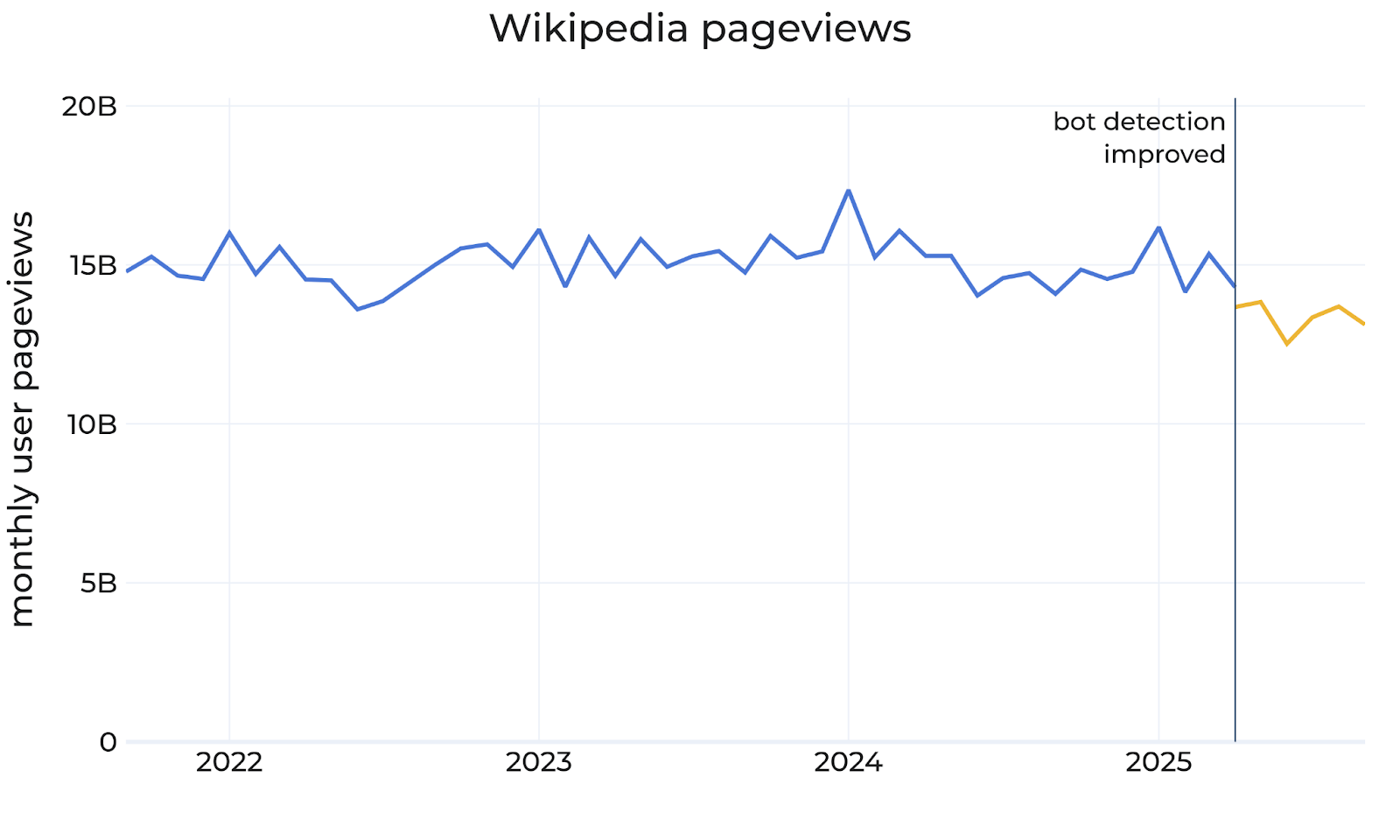
The Wikimedia Foundation says human pageviews fell 8% year over year after stripping out bot inflation, pointing to AI search summaries that answer questions without sending clicks and younger users shifting to short-form video.
Google disputes that its AI features reduce traffic, but the directional pressure on reference sites is plain: models keep consuming knowledge while diminishing incentives to visit sources.
🧩 Jargon Buster: “AI search summaries” are instant answers generated by a model on top of search results that often remove the need to click through.
Read more: AI Secret
Tools & Launches
Skills (Anthropic) - A folder-based system that lets Claude load capabilities on demand. Packages can include instructions, scripts, templates and reference docs that the assistant activates when relevant. It shifts agent building toward curating reusable “abilities” teams can version and share.
SWE-grep (Cognition) - Code retrieval models that speed up context gathering for AI coding by roughly an order of magnitude while maintaining accuracy. Expect better grounding for agentic coding and fewer hallucinated edits on large repos.
Sora 2 Updates - Storyboards and longer video lengths make planning and continuity easier for social campaigns. Pair with structured JSON shot lists to avoid uncanny pacing.
Veo 3.1 (Google) - Iterative video upgrade with multi-image character consistency, start-end frame guidance, and scene extension. Less viral sizzle, more control for editors and filmmakers.
TinyFast - A local macOS compressor for images, video and PDFs that prioritizes speed and privacy. Handy for slimming AI-generated assets before upload.
Kibo UI - Open-source, composable components designed to extend shadcn/ui for complex dashboards and data apps, useful when turning agent outputs into real internal tools.
HeyGrid - A link-in-bio alternative that uses infinite grid layouts to showcase AI-made media, product shots, and long-form projects in one view.
Rybbit - Open-source, GDPR-compliant analytics positioned as a privacy-first alternative to Google Analytics. Pairs well with AI sites that avoid big-tech tracking.
Today's sources: AI Secret, The Rundown AI