
We The AI Prioritize Safety; Apple Wearable? AI Album Release

Today's AI Outlook: 🌤️
Anthropic Publishes Claude’s Constitution
After months of speculation following a partial leak, Anthropic has officially published Claude’s Constitution, the internal document that governs how its flagship AI assistant reasons, prioritizes values and behaves in the world. Written directly to Claude, the Constitution lays out a hierarchy: safety first, followed by ethics, compliance with Anthropic’s rules, and finally helpfulness to users.
Instead of rigid “do not” lists, the document explains why each principle exists, aiming to help Claude generalize those values to situations its creators cannot predict.
In a striking move, Anthropic even instructs Claude to disobey the company itself if asked to do something unethical, and openly entertains the idea that Claude’s “psychological security” might one day matter morally.
Why it matters
AI labs talk about alignment all the time. Very few put their philosophical homework on GitHub and say, effectively, we might have built something that counts. The consciousness language will be controversial, but Anthropic is staking out a position no other major lab has publicly claimed.
The Deets
- Constitution is written to Claude, not about it
- Focuses on value reasoning over rule-following
- Explicit clause allowing Claude to refuse Anthropic itself
- Frames AI well-being as a potential moral concern
Key takeaway
Anthropic is essentially publishing a worldview and daring the rest of the industry to respond.
🧩 Jargon Buster - Constitutional AI: A training approach where models learn principles and values, not just rules, to better handle edge cases.
⚡ Power Plays
Apple Eyes AI Wearable Race With AI Pin?
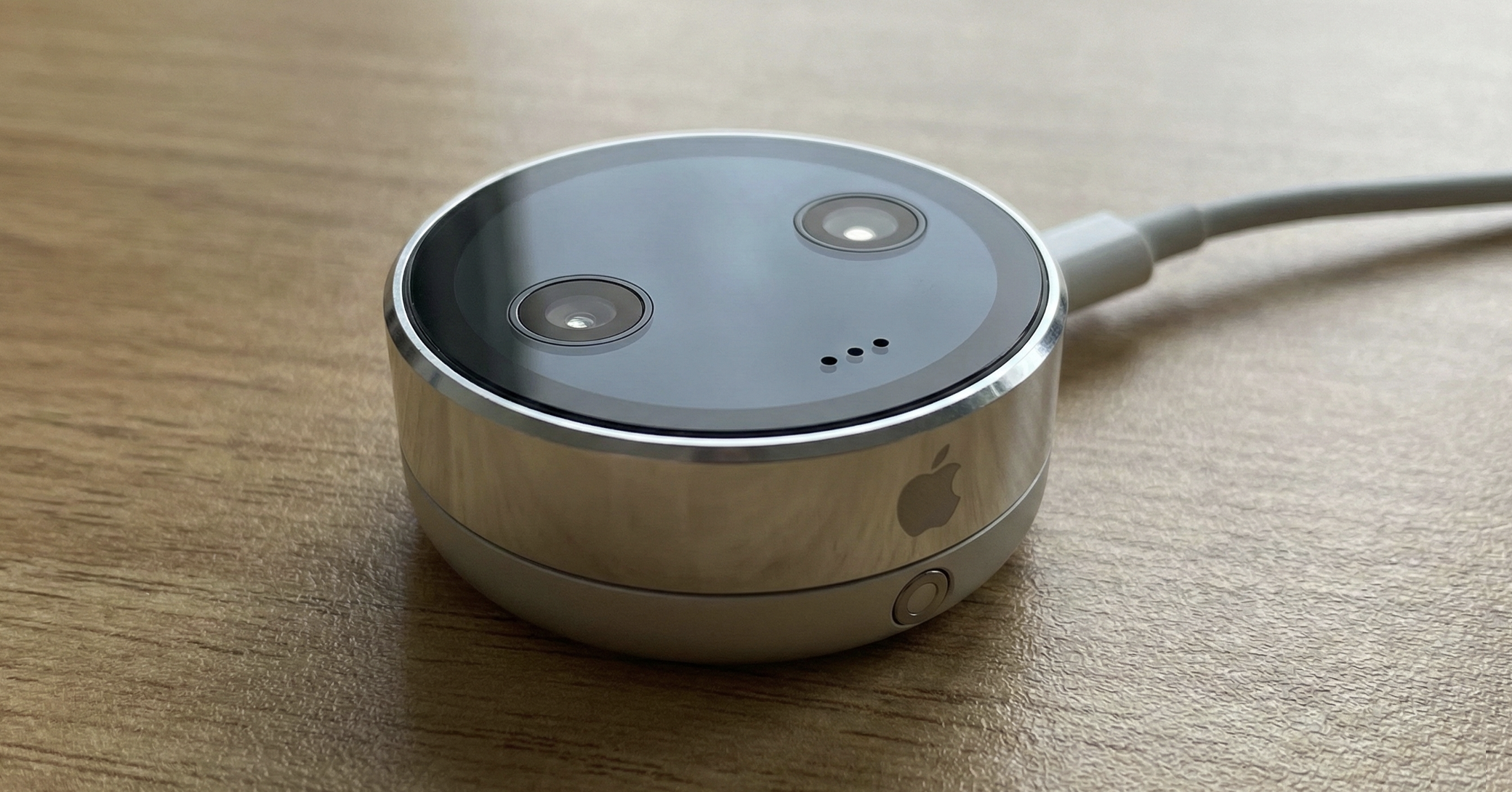
Apple is reportedly developing an AirTag-sized AI pin with two cameras, triple microphones, and magnetic charging, targeting a 2027 launch with ambitions of shipping up to 20M units, according to The Information. The wearable is part of a broader AI pivot that also includes a full chatbot-style Siri and deeper model integrations in iOS 27.
This comes after a brutal proving ground for AI pins. Humane’s device flopped with fewer than 10,000 sales before assets were sold to HP. Limitless was sold to Meta. And Friend... oh never mind.
Apple believes it can move faster than usual to avoid falling further behind OpenAI, which is also rumored to be building dedicated hardware.
Why it matters
AI pins promise screenless computing, but users keep reaching for their phones. Apple joining raises the ceiling, but it does not solve the core problem: anchoring AI hardware to daily habits instead of demo magic.
The Deets
- AirTag-sized aluminum-glass design
- Two cameras, three mics, magnetic charging
- Internal pressure to accelerate timelines
- Parallel effort to rebuild Siri as a chatbot
Key takeaway
If Apple cannot make an AI pin genuinely useful every day, likely no one can. But skepticism is earned.
🧩 Jargon Buster - Screenless Computing: Devices designed to deliver AI interactions without a traditional display.
🎵 Tools & Products
ElevenLabs Releases AI Album With Major Artists
ElevenLabs released a 13-track album co-created with its Eleven Music model, featuring artists like Liza Minnelli and Art Garfunkel. Genres range from rap to Brazilian funk, with artists retaining full ownership and all streaming royalties.
Some tracks are entirely machine-generated. Others blend AI instrumentals or licensed voice clones from ElevenLabs’ marketplace. The release follows a sharp industry pivot, with labels like UMG, Warner, and Sony shifting from lawsuits to licensing deals.
Why it matters
AI music went from courtroom drama to boardroom strategy in a year. With big names participating and rights respected, the narrative is shifting from threat to tool.
The Deets
- 13 tracks across multiple genres
- Artists keep full rights and royalties
- Mix of fully AI and hybrid productions
- Labels increasingly signing AI deals
Key takeaway
AI music is going from novelty and scandal to infrastructure.
🧩 Jargon Buster - Voice Cloning Marketplace: A licensed platform where artists can approve and monetize AI use of their voices.
🧪 Research & Models
Make Claude An Expert At Anything
Anthropic quietly supercharged Claude Code with a growing marketplace of modular “skills” that developers can install directly from the CLI. These plugins let Claude specialize in areas like frontend design, document analysis, and structured data handling, effectively turning the model into a task-specific expert on demand.
Why it matters
This is how general models become useful at work. Not by retraining, but by snapping in capabilities as easily as Lego bricks.
The Deets
- Install skills via /plugin marketplace add anthropics/skills
- Includes tools like context7, frontend-design, and document-skills
- Community marketplace expands into marketing and business tools
Key takeaway
The future of AI agents looks less like one giant brain and more like a toolbox.
🧩 Jargon Buster - Agent Skills: Modular capabilities that extend what an AI agent can do without retraining the core model.
Manus Gives Robots A Sense Of Touch
Dutch robotics startup Manus has released Metagloves Pro Haptic, a new glove designed less for flashy teleoperation demos and more for something more valuable: high-quality training data for humanoid robots.
The system pairs EMF-based hand tracking with active haptic feedback, allowing operators not just to move robotic hands remotely, but to feel contact, resistance and grip in real time.
That focus targets a long-standing flaw in robot training. Until now, most teleoperation systems let humans see motion but not feel interaction, producing demonstrations that look right but break the laws of physics when replayed by machines.
Why it matters
Robot learning lives or dies by data quality. Visual-only or kinematic demonstrations often encode unrealistic force, timing, and pressure. When those signals are fed into manipulation models, the results look fine in simulation and fall apart in the real world. By adding touch, Manus shifts teleoperation from imitation theater to physically valid training.
The Deets
- EMF-based tracking captures precise finger and hand motion
- Active haptics introduce resistance, contact timing, and grip nuance
- Demonstrations reflect real-world constraints, not idealized motion
- Data becomes usable for training manipulation models, not just replay
Key takeaway
The breakthrough is not better control. It is constraint. Once robots learn from data that includes touch, teams relying on motion-only capture may fall behind slowly, then all at once.
🧩 Jargon Buster - Kinematic Data: Motion-only information that records where something moves, but not how hard it pushes or what it touches.
⚡ Quick Hits
- Meta says its Superintelligence Labs have deployed first internal models, calling 2026–2027 pivotal years.
- OpenAI launched Stargate Community, pledging to fund local energy infrastructure so AI data centers do not raise power prices.
- Google partnered with The Princeton Review to bring free SAT prep into Gemini with adaptive study plans.
- Comic-Con banned AI-generated art after artist backlash forced a reversal of its quiet 2024 policy.
🛠️ Tools Of The Day
- Mexty creates interactive lessons in minutes with no code.
- ScreenSnapAI auto-tags screenshots and lets you chat with your captures.
- Medeo edits video by chat commands in real time.
- Search Visibility tracks how AI models mention your brand.
Today’s Sources: The Rundown, There’s An AI For That, AI Secret, Robotics Herald